What Is the Term for Art That Has Been Created Using a Gouge to Make High Relief Areas for the Image
At that place are four major classes of printmaking techniques: relief printing, intaglio printmaking, stenciling, and lithography. Let'due south expect into some detail about the relief and intaglio printmaking processes. These are the two oldest and best known of the major classes of printmaking techniques. Encheiresin Naturae, published by Nawakum Printing Relief printing is a generic term describing the process of printing from a raised surface where the non-image areas have been cut abroad. H2o-based ink is rolled over the raised areas and the image is transferred to paper. Traditionally the matrix is wood or linoleum. A woodcut is probably the oldest and simplest grade of relief printmaking. It reached full maturity in the 15th and 16th centuries. Both manus tools and power tools are used to cut the paradigm to be printed. The image is raised above the surface of the block. The block textile is cut away, leaving the impress image. Subsequently the epitome is inked, paper is placed over the inked surface and rubbed past hand or passed through a press to transfer ink from cake to newspaper to create the image. When linoleum is used, it is generally mounted on a block of forest for stability. Linoleum is soft and easily carved with knives or gouges. The image is then printed as with a woodcut. The fragility of linoleum makes large editions problematic. Intaglio printmaking includes a number of related techniques generally washed on a metallic plate. Copper, zinc, or steel plates are used. Grooves or pits are incised into the plate using either a sharp instrument or the activeness of a potent acid solution. Greasy ink is worked into these depressions, and the surface of the plate wiped clean. The high pressure level of a press enables soft, dampened paper to reach and accept on the ink. Bones intaglio processes include carving, engraving, drypoint, and mezzotint. Relief printmaking materials and supplies include a block (wood or linoleum), various size gouges and knives, ink, a brayer or roller, and paper. Intaglio printmaking materials and supplies include plates for etching and engraving; etching inks and conditioners; tools for etching and engraving; etching blankets to press the paper into the grooves of a plate to absorb the ink; films, plates, and screens; etching grounds and stop-outs; solvents; and acids and other corrosive substances called mordants. Among the well-known artists who have produced prints using these techniques are Pablo Picasso, Andy Warhol, Rembrandt, Henri Matisse, Francisco Goya, Vincent Van Gogh, M.C. Escher, Edvard Munch, Roy Lichenstein, and Marc Chagall. This list is only a get-go to show y'all the incredible range of possibilities inherent in the art of printmaking. 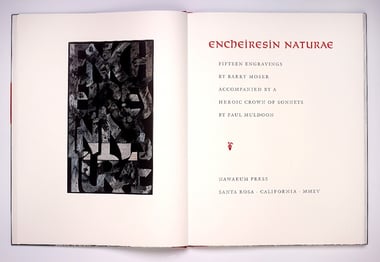
Relief Printing
Intaglio Printmaking
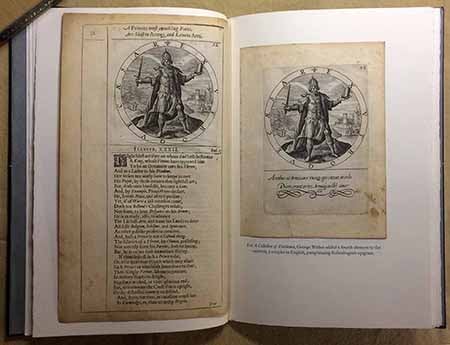 Labour Vertue Glorie published by Heavenly Monkey
-of-the-new-intaglio-prints.jpg?width=411&name=Drying-(water)-of-the-new-intaglio-prints.jpg)
What materials are used in these processes?
What are the similarities between relief and intaglio processes?
What are the differences between relief and intaglio processes?


Source: https://blog.bookstellyouwhy.com/print-making-processes-relief-and-intaglio
0 Response to "What Is the Term for Art That Has Been Created Using a Gouge to Make High Relief Areas for the Image"
Post a Comment